Those first weeks with a newborn are a strange mix of emotions.
You are happy. You are tired. You are confused. Sometimes all in the same hour.
If you had your baby in Spain—especially if you are a foreign mom like me—you may also feel like you are learning two things at once: motherhood and the Spanish system.
The good news is this: Spain actually offers very good care for new mothers and babies. But many small things can still surprise you.
So let me walk you through what the first weeks with a newborn in Spain usually look like, and what you can expect during this new chapter.
Table of Contents
What Happens Right After Birth in Spain
One thing that really surprised me was how caring the hospital staff were.
Doctors and nurses usually check both mother and baby frequently during the hospital stay. They monitor feeding, sleep, and recovery carefully.
In most public hospitals in Spain:
- Mothers usually stay 24–48 hours after a natural birth
- Around 3–4 days after a C-section
- The baby stays in the room with you most of the time
This is called rooming-in, and it helps parents learn how to care for the baby from the first day.
Nurses may help with:
- breastfeeding guidance
- diaper changing
- checking the baby’s weight
- answering questions about newborn care
For many mothers, this early support makes the first days less overwhelming.
Your First Days at Home with a Newborn
Then you go home… and reality begins.
Suddenly there are no nurses. No doctors nearby. Just you, the baby, and a thousand questions.
In Spain, most newborns will have their first pediatrician appointment within the first week after leaving the hospital.
At this appointment, the doctor will usually check:
- the baby’s weight
- feeding progress
- jaundice signs
- general health
If the baby is healthy, visits become less frequent over time.
Many health centres also have midwives (matronas) who support mothers during postpartum recovery.
They can help with:
- breastfeeding problems
- emotional recovery
- physical healing after birth
This support can be very helpful, especially in the early weeks.
Postpartum Recovery in Spain: A Cultural Difference
This is where many foreign moms notice something interesting.
In many Asian cultures, postpartum recovery means staying home, resting, and keeping warm.
In Spain, the approach is very different.
You may see Spanish mothers:
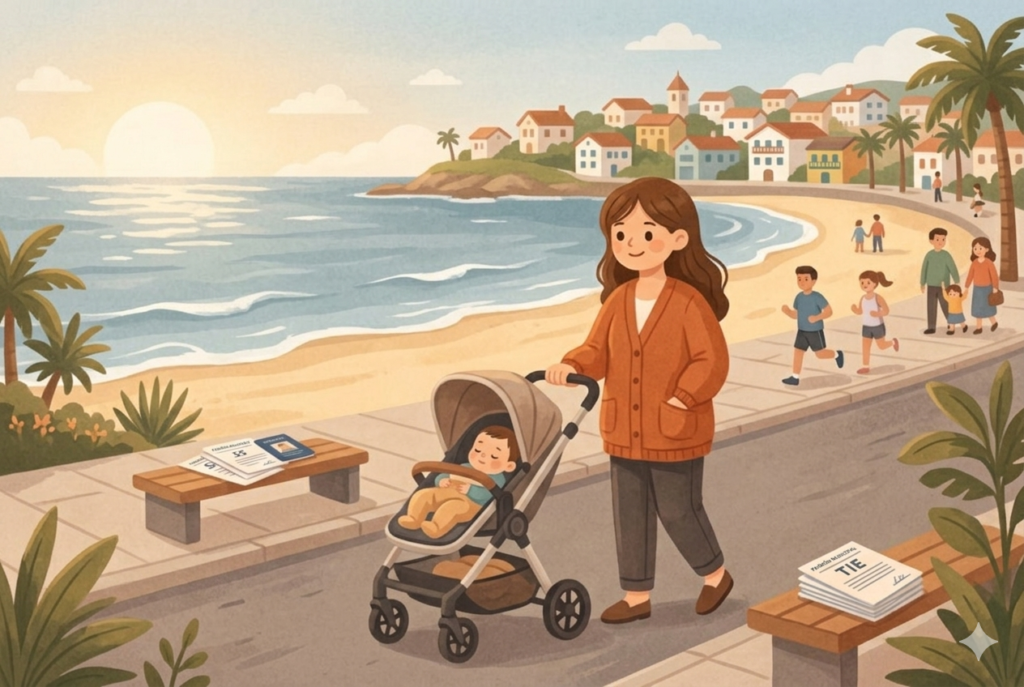
- going for short walks a few days after birth
- sitting outside with their babies
- meeting friends or family earlier
Fresh air and gentle movement are often encouraged.
At first, this difference can feel strange. But every mother should follow what feels right for her body and recovery.
There is no single “correct” way to recover after birth.
Paperwork You Need to Do After Your Baby Is Born
Another thing that surprises many parents is the paperwork.
After birth in Spain, there are a few administrative tasks to complete.
Most hospitals now register the baby automatically with the civil registry, but parents may still need to handle a few steps.
Common tasks include:
- registering the baby with social security
- adding the baby to the family health card
- applying for maternity or paternity leave
If you are new to Spain, these steps may feel confusing at first.
But many hospitals or local offices provide guidance, and once the paperwork is done, you can finally focus more on the baby.
The Emotional Reality of the First Weeks
No one really talks enough about this part.
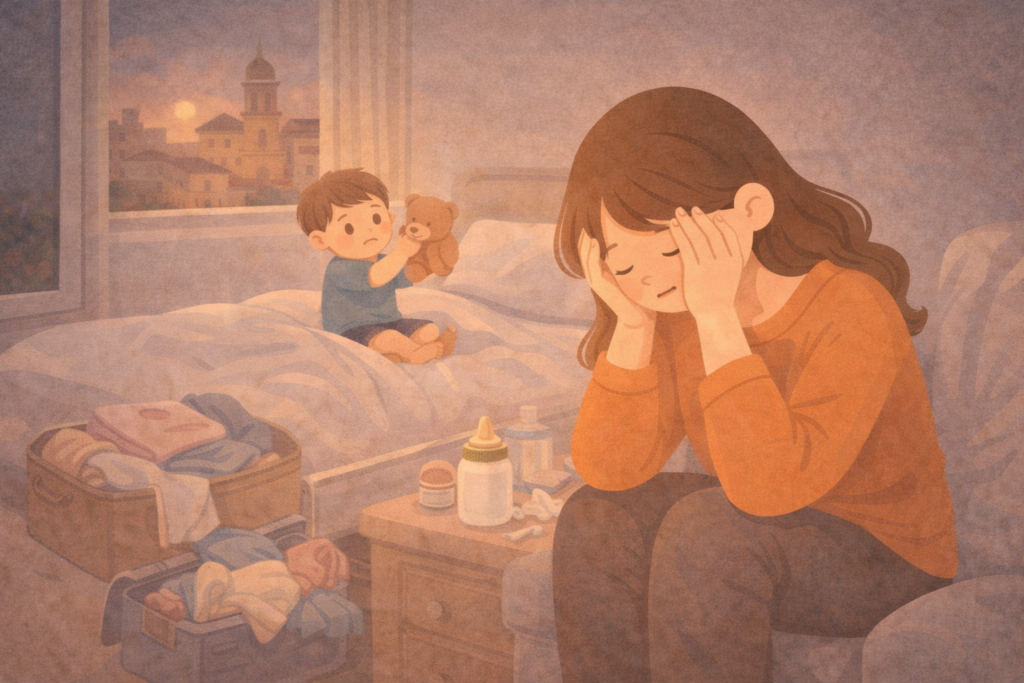
The first weeks with a newborn are emotionally intense.
Your body is recovering. Your sleep is broken. Your routine is completely different.
Some days feel beautiful. Some days feel very hard.
Many mothers experience:
- sudden crying
- mood swings
- feeling overwhelmed
- questioning if they are doing things right
This is more common than people think.
If these feelings last a long time or feel very heavy, it’s important to talk to a doctor or midwife. Postpartum mental health support is available in Spain.
And remember something important:
You don’t have to do motherhood perfectly.
Your baby doesn’t need a perfect mother.
Your baby just needs you.
Practical Tips for Surviving the First Weeks
Here are a few simple tips that helped many new parents during the first weeks with a newborn in Spain.
1. Accept Help When It Is Offered
Even small help—like someone bringing food—can make a big difference.
2. Don’t Worry If Feeding Is Difficult
Breastfeeding sometimes takes time to establish. Many families combine breastfeeding and formula feeding, and that is completely okay.
3. Sleep Whenever You Can
Everyone gives this advice because it is true. Rest whenever the baby sleeps.
4. Keep Appointments with Your Midwife
Matronas are a great resource for postpartum recovery and baby care questions.
5. Be Patient with Yourself
You are learning something new every day.
And that is enough.
FAQ: First Weeks with a Newborn in Spain
How long do mothers stay in the hospital after giving birth in Spain?
Most mothers stay 24–48 hours after a vaginal birth and around 3–4 days after a C-section, depending on recovery and the baby’s health.
When does a newborn see a doctor in Spain?
Babies usually have their first pediatric appointment within the first week after leaving the hospital.
Do midwives support mothers after birth in Spain?
Yes. Many health centres have midwives (matronas) who help with breastfeeding, postpartum recovery, and emotional support.
Is it normal to go outside with a newborn in Spain?
Yes. Spanish families often take babies outside early for fresh air and short walks, but each mother should follow what feels comfortable for her recovery.
What paperwork is needed after a baby is born in Spain?
Parents usually need to register the baby with social security, add the baby to their health card, and apply for maternity or paternity leave.
Final Thoughts
Those first weeks with a newborn can feel like a blur.
You are learning your baby. Your baby is learning the world. And you are learning a new version of yourself.
If you are doing this in Spain, especially far from family, some days may feel lonely.
But remember this:
You are stronger than you think.
And slowly, day by day, things become easier.